Views: 0 Author: Site Editor Publish Time: 2025-11-03 Origin: Site


Plastic crusher operations, essential in recycling and manufacturing, often generate significant noise and dust. High-speed cutting, rotor impacts, and material collisions contribute to loud working environments, while fine plastic particles can disperse into the air, creating dust hazards. Excessive noise may lead to hearing damage and reduce worker comfort, while airborne dust can affect respiratory health, accelerate machinery wear, and compromise product quality. Both issues can also result in non-compliance with environmental and occupational safety regulations, potentially leading to fines or operational interruptions.
Implementing practical strategies to control noise and dust helps facilities protect worker health, extend equipment lifespan, maintain regulatory compliance, and enhance overall operational efficiency, creating a safer and cleaner working environment.
The primary contributor to noise in plastic crushers is the repeated impact of blades on plastic materials. High rotor speeds amplify the cutting and shredding sounds, generating a continuous operational noise that can affect nearby workers. Hard or irregular plastics further intensify the sound due to stronger impacts.
Vibrations from motors, bearings, and the crusher frame itself are another significant source of noise. These vibrations can resonate throughout the machine structure, amplifying the overall sound levels. In poorly mounted crushers, vibrations may transfer to the floor and surrounding equipment, increasing noise exposure in the workspace.
Uneven, irregularly shaped, or heavy plastic pieces colliding inside the crushing chamber create additional noise. The more inconsistent the feed material, the louder the operational noise, as pieces strike each other and the chamber walls during processing.
Misaligned components, loose fittings, or worn blades can significantly exacerbate noise levels. Rattling, uneven rotor movement, or frame vibrations caused by these issues further increase operational sound, affecting both efficiency and worker comfort. Regular inspection and proper assembly are crucial to minimize these noise sources.
Understanding these noise sources is essential for implementing effective reduction strategies, improving worker safety, and ensuring a more comfortable and productive working environment.
The nature of the plastic material significantly influences dust production. Brittle plastics, such as polystyrene or PVC, tend to fracture into smaller fragments when crushed, generating fine dust. Similarly, smaller feed materials produce more surface area during crushing, increasing airborne particles and dust accumulation around the machine.
Plastic crushers operating at high rotor speeds create more intense impacts between the blades and the material. These repeated, forceful collisions break plastics into finer particles, elevating dust levels. While higher speeds improve throughput, they also exacerbate dust generation if not properly controlled.
Insufficient containment within the crushing chamber allows particles to escape into the surrounding environment. Poorly sealed hoppers, screens, or discharge areas contribute to dust leakage. In addition, inadequate ventilation or dust extraction systems fail to capture airborne particles, further increasing dust accumulation and posing health hazards for workers.
By understanding these factors, recycling facilities can implement targeted strategies such as optimizing crusher speed, improving material containment, and installing effective ventilation systems to reduce dust levels and create a safer, cleaner working environment.
Encasing the plastic crusher in soundproof or noise-absorbing panels significantly reduces the transmission of operational noise to the surrounding environment. These enclosures help contain high-decibel sounds generated during crushing, creating a quieter workspace and improving overall worker comfort and safety.
Installing vibration isolators beneath the crusher or using shock-absorbing mounts for critical components effectively minimizes noise caused by mechanical vibrations. By reducing resonance and preventing vibrations from transferring to the floor or supporting structures, these devices also protect the integrity of the equipment and surrounding machinery.
Routine inspection and timely replacement of worn blades, rotors, bearings, or other moving parts prevent rattling and excessive noise caused by loose or damaged components. Keeping all parts properly aligned, tightened, and lubricated ensures smoother operation, reduces mechanical noise, and extends the lifespan of the crusher.
Carefully adjusting the rotor speed and controlling the feed rate reduces high-impact collisions between plastics and blades, which are primary sources of noise. Consistent material feeding and properly calibrated operating speeds not only maintain crushing efficiency but also significantly lower operational noise levels, contributing to a safer and more productive work environment.
Implementing these strategies collectively results in a more comfortable and safe workplace, enhances operational efficiency, reduces maintenance issues, and prolongs the life of the plastic crusher equipment.
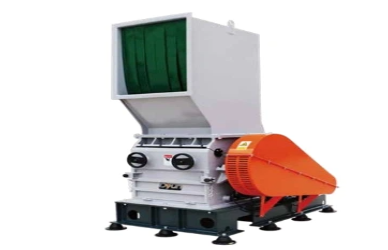
Installing dust extraction systems, such as suction hoods or local exhaust ventilation, effectively captures airborne plastic particles at the source. These systems prevent dust from spreading throughout the workspace, protecting workers’ health and maintaining a cleaner production environment.
For suitable materials, lightly wetting or pre-conditioning plastics before crushing can reduce the generation of fine dust. Moisture helps bind particles together, minimizing airborne dust during the crushing process and reducing inhalation risks for operators.
Ensuring all feed points, hoppers, and chutes are properly sealed prevents dust from escaping during material transfer. Tight-fitting covers and seals maintain containment, improving dust control and contributing to safer and cleaner operations.
Regularly cleaning the crusher, surrounding areas, and dust collection components prevents accumulation of plastic dust that could compromise equipment performance or create fire hazards. Scheduled cleaning ensures consistent operation, prolongs equipment life, and maintains a hygienic and safe workspace.
Combining these dust control measures enhances operational safety, improves equipment efficiency, and helps recycling or manufacturing facilities comply with environmental and occupational health standards.
Operators should consistently wear appropriate PPE, including masks or respirators to prevent inhalation of fine plastic dust, ear protection to safeguard against high noise levels, and safety goggles to shield eyes from flying debris and fragments. In addition, gloves and protective clothing can prevent skin contact with sharp or hot plastic pieces. Proper use of PPE is critical for maintaining health and safety in high-impact, noisy, and dusty environments.
Plastic crusher operations must comply with local environmental and occupational safety regulations. This includes monitoring noise and dust levels, maintaining equipment according to safety standards, and ensuring that the workplace meets all legal requirements. Adhering to regulations not only reduces the risk of fines and legal issues but also fosters a culture of safety and responsibility within the facility.
Comprehensive training programs should educate employees on safe operating procedures, proper machine handling, and techniques for reducing dust and noise exposure. Staff should be familiar with emergency protocols, routine maintenance tasks, and methods to prevent overloading or improper use of the crusher. Well-trained personnel can operate crushers efficiently, minimize exposure to hazards, prevent accidents, and maintain a consistently safe and productive work environment.
Implementing these measures ensures that workers are protected, regulatory standards are met, and plastic crushing operations run efficiently and responsibly, creating a safer, more sustainable workplace.
A1: Enclosures can significantly reduce operational noise, especially from blade impact and material collisions, but complete elimination is unlikely. Combining enclosures with vibration dampening, shock absorbers, and regular maintenance of worn components provides the most effective noise reduction. Proper installation and alignment of machine parts also help minimize resonance and rattling sounds.
A2: Wetting or pre-conditioning plastics is effective for many materials, particularly those prone to generating fine dust. However, it may not be suitable for heat-sensitive, moisture-sensitive, or easily deformed plastics. In such cases, dry dust collection systems, suction hoods, and proper sealing of feed areas provide safer and more reliable dust control without affecting material quality.
A3: Vibration isolators, dampening pads, and shock absorbers should be inspected during routine maintenance, ideally every few weeks or based on operational hours. Frequent inspection ensures they remain effective in reducing vibration transfer, prevents wear on machine components, and maintains quieter, smoother operation of the crusher.
A4: Slight adjustments to crusher speed can help reduce noise and dust without major impact on throughput. Optimizing feed rate in conjunction with speed adjustments ensures consistent material flow, maintains crushing efficiency, and minimizes high-impact collisions, striking a balance between operational safety and productivity.
Effectively managing noise and dust in plastic crusher operations is essential for protecting worker health, prolonging equipment lifespan, and ensuring environmental compliance. By combining noise-dampening enclosures, vibration isolators, proper maintenance, dust collection systems, and careful control of crusher speed and feed rates, facilities can significantly reduce operational hazards while maintaining efficiency. Regular staff training and adherence to safety protocols further enhance workplace safety. Implementing these measures not only improves working conditions but also contributes to more sustainable and productive recycling operations, ensuring that plastic crushing processes remain both efficient and safe.

