Views: 0 Author: Site Editor Publish Time: 2025-10-30 Origin: Site


A Plastic Crusher is essential in plastic recycling and manufacturing, breaking down waste plastics into smaller, manageable pieces for reuse or further processing. Used in recycling plants, production lines, or waste management facilities, an efficient crusher boosts productivity and material recovery rates.
Efficiency affects every aspect of crusher operation — from energy consumption and output capacity to maintenance needs and overall cost-effectiveness. Poorly maintained or mismanaged crushers consume more power, experience frequent breakdowns, and produce inconsistent material sizes, disrupting production flow.
This article presents five practical tips to maximize your Plastic Crusher’s performance, reliability, and service life. Implementing these strategies helps improve crushing efficiency, reduce operational costs, and support smoother, more sustainable recycling and manufacturing operations.
The blades are the heart of any Plastic Crusher, determining its ability to cut efficiently and produce uniform particle sizes. Dull or damaged blades increase resistance during operation, causing the motor to work harder and consume more energy. This not only reduces crushing efficiency but also accelerates wear on other mechanical parts. Keeping blades sharp ensures smooth cutting, consistent output size, and lower energy consumption.
Regular preventive maintenance is essential for prolonging the life of a Plastic Crusher. Operators should establish a maintenance schedule that includes checking blade alignment, motor condition, and lubrication of moving components. Inspecting for vibrations, abnormal noises, or loose parts can help identify potential problems early before they result in costly downtime. A structured maintenance routine minimizes unexpected failures and ensures stable, continuous operation.
Even with regular maintenance, blades will naturally dull over time due to friction and contact with hard or contaminated materials. It’s important to sharpen or replace them according to the manufacturer’s recommendations or after a certain number of operational hours. Using professional sharpening equipment or certified service providers helps maintain the correct blade angle and balance, ensuring the Plastic Crusher continues to perform at peak efficiency.
By maintaining sharp blades and a consistent maintenance routine, businesses can significantly improve crushing performance, reduce power consumption, and extend the lifespan of their Plastic Crusher.
Feeding oversized or mixed materials into a Plastic Crusher can place unnecessary strain on the motor and cutting system. Large or irregular pieces require more force to crush, increasing energy consumption and accelerating mechanical wear. Similarly, mixing materials of varying hardness—such as rigid PET with softer PE or PP—can cause uneven crushing and reduce overall efficiency. Maintaining proper feed size helps ensure smooth, balanced operation.
Before feeding materials into the Plastic Crusher, it’s essential to sort plastics by type and density. Pre-sorting materials such as PET, PE, and PP not only improves the quality of the crushed output but also reduces the risk of contamination. Consistent material types allow the crusher to operate at steady torque and speed, producing uniform granules that are easier to wash, dry, and reprocess in later recycling stages.
Maintaining a steady and uniform feed rate is key to preventing clogs and ensuring continuous operation. Uneven feeding can lead to blade overload, vibration, and potential equipment damage. Using a conveyor or feeder system helps regulate the flow of material into the crusher, minimizing downtime and optimizing throughput.
By controlling feed size and material consistency, operators can significantly enhance the performance, reliability, and lifespan of their Plastic Crusher, while ensuring stable production quality.
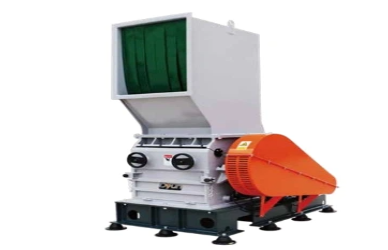
In any Plastic Crusher operation, the motor load directly affects energy consumption and overall crushing efficiency. Running the machine under optimal load ensures that the crusher operates at maximum productivity without wasting power. Overloading can cause overheating, excessive wear, and even motor burnout, while underloading leads to inefficient energy use and reduced output. Regularly checking the motor’s amperage and performance helps identify any imbalance early, preventing costly downtime.
Installing Variable Frequency Drives (VFDs) is one of the most effective ways to enhance control over your Plastic Crusher’s performance. VFDs allow precise adjustment of the motor’s speed and torque based on material type and feed rate. By matching the crusher’s speed to the load, you can reduce unnecessary power consumption, extend motor life, and improve cutting consistency. Additionally, VFDs help minimize startup surges, which can otherwise stress electrical components and mechanical parts.
Properly calibrated power and speed settings are crucial for maintaining consistent crushing quality. If the motor runs too fast, it may generate excessive heat and wear out the blades prematurely. If it runs too slowly, materials may not be fully processed, leading to uneven particle sizes. Balancing these factors ensures smooth operation, protects the crusher’s mechanical components, and delivers uniform, high-quality output.
By optimizing motor load and power settings, operators can significantly improve the Plastic Crusher’s energy efficiency, extend equipment lifespan, and achieve stable, high-performance recycling operations.
Maintaining a clean Plastic Crusher is essential for ensuring consistent performance and preventing mechanical issues. Over time, plastic dust, residue, and small particles can accumulate inside the machine’s cutting chamber, screens, and feed hopper. This buildup restricts airflow, increases friction, and can lead to overheating or even motor strain. Regular cleaning helps maintain smooth operation and reduces the risk of component failure.
Focus on cleaning critical parts such as the screens, hoppers, and cutting chambers. Dirty or clogged screens can restrict the material discharge flow, leading to uneven particle sizes and lower throughput. Similarly, blocked hoppers can disrupt feeding consistency and cause jams, while dirty cutting chambers may dull the blades faster due to friction buildup. Ensuring these areas are free of debris helps improve crushing efficiency and reduces wear on moving parts.
For high-volume recycling operations, daily or shift-based cleaning routines are strongly recommended. Operators should inspect and remove any trapped material after each production cycle to prevent residue from hardening or contaminating new batches. In smaller-scale operations, a regular weekly cleaning schedule may suffice. Using compressed air, soft brushes, or non-corrosive cleaning agents ensures safe and thorough maintenance without damaging machine components.
By keeping your Plastic Crusher clean and debris-free, you can enhance its efficiency, extend its lifespan, and maintain stable production quality. A consistent cleaning routine not only prevents performance loss but also contributes to safer and more reliable recycling operations.
Upgrading your Plastic Crusher with durable, wear-resistant parts can significantly improve performance and longevity. Using reinforced cutting blades, stronger shafts, and robust chambers ensures that the machine can handle heavy or abrasive plastics without frequent breakdowns. Quality components reduce the frequency of replacements and help maintain consistent crushing efficiency over time.
Modern Plastic Crushers can benefit from smart sensors and automation features that monitor operational conditions in real time. Sensors can detect motor overloads, material jams, or abnormal vibrations, allowing the system to automatically adjust or shut down to prevent damage. Automation not only enhances safety but also optimizes crusher performance by maintaining consistent feed rates and reducing downtime.
Although investing in high-quality components and smart features may have a higher upfront cost, it pays off in the long term by reducing maintenance expenses, minimizing unexpected downtime, and improving overall productivity. These upgrades ensure that the crusher operates efficiently under heavy-duty conditions, providing reliable and consistent output for plastic recycling or manufacturing processes.
By upgrading your Plastic Crusher with quality components and smart features, you can enhance safety, reduce maintenance, and achieve higher operational efficiency, ultimately boosting the return on investment for your recycling operations.
A1: It depends on material type and usage frequency. For continuous operations, inspect blades weekly and sharpen or replace them every 1–2 months.
A2: Yes, feeding oversized or mixed materials increases wear and may overload the motor, leading to reduced output and higher maintenance needs.
A3: Monitor motor load, maintain sharp blades, and use a variable frequency drive (VFD) to optimize energy efficiency.
A4: Perform regular maintenance, clean components frequently, replace worn parts promptly, and operate the crusher within recommended load limits.
Improving the efficiency of your Plastic Crusher requires a combination of regular maintenance, proper feeding practices, motor optimization, cleanliness, and strategic upgrades. Keeping blades sharp, controlling feed size, monitoring motor load, maintaining a debris-free environment, and investing in high-quality components with smart features all contribute to smoother operation, longer equipment life, and reduced downtime.
By implementing these five practical tips, recycling and manufacturing facilities can maximize throughput, minimize energy consumption, and maintain consistent product quality. Adopting these best practices ensures that your Plastic Crusher operates safely, efficiently, and reliably, ultimately enhancing productivity and reducing operational costs in the long term.

