Views: 0 Author: Site Editor Publish Time: 2026-01-26 Origin: Site


HDPE bottles are essential in various industries, from beverages to household chemicals. With increasing global demand for recycling, efficient recycling technologies are more crucial than ever. HDPE Bottle Washing Lines play a key role in improving the quality and safety of recycled HDPE. These systems ensure that bottles are thoroughly cleaned, free from contaminants, and safe for reuse. In this article, we will discuss how HDPE Bottle Washing Lines enhance product quality and safety. You will learn about the critical technologies and processes that make these systems effective in the recycling industry.
High-speed friction washing is a critical step in improving the quality of HDPE bottle recycling. This technology removes stubborn stains, label residues, and adhesives from the surface of HDPE bottles using friction at speeds of over 1,000 RPM. The result is high-purity HDPE flakes, which are crucial for producing high-quality reprocessed pellets. This process is essential for ensuring that the recycled HDPE meets the necessary quality standards, especially for applications requiring high-grade recycled materials.
| Parameter | Value | Unit | Application Area | Notes |
|---|---|---|---|---|
| Friction Speed | >1,000 RPM | RPM | Producing high-purity HDPE flakes | Ensure friction speed does not damage the HDPE material |
| Cleaning Efficiency | >95% | % | Enhancing material cleanliness | Multiple washes may be needed for complex stains |
| Applicable Materials | HDPE bottles, plastic labels, oil residues | - | Food-grade packaging, chemical packaging | Suitable for most common labels and adhesives |
| Post-Cleaning Moisture Content | <2% | % | Ensuring mold prevention and degradation | Efficient drying system must be used in combination |
| Cleaning Time | 2-3 minutes/bottle | Minutes | Improving recycling efficiency and reducing processing time | Excessive cleaning time may result in energy waste |
Tip: High-speed friction washing requires precise time and speed control to avoid excessive abrasion or damage to the HDPE bottles.
One of the most important features of HDPE bottle washing lines is the sink-float separation process. This technique capitalizes on the difference in density between HDPE and other materials like PET, PVC, and metal residues. HDPE, with a density of approximately 0.95 g/cm³, floats in water, while denser contaminants such as PET and metal sink to the bottom. This separation process ensures that the final product is as pure as possible, removing unwanted contaminants that could compromise the integrity of the recycled HDPE. The result is a uniform and high-value recycled material that is ideal for further processing and manufacturing of new products.
Drying is a crucial step in the HDPE recycling process. Moisture in recycled flakes can lead to problems such as mold growth, degradation, and odors, which can compromise the final product’s quality. HDPE bottle washing lines feature optimized drying systems that combine mechanical centrifugation and hot air drying to reduce moisture content to below 2%. This precise control of moisture levels ensures that the HDPE flakes are clean and dry, preventing any issues during the pelletizing or extrusion stages. Effective drying not only ensures the purity of the recycled material but also enhances its stability and consistency in subsequent production processes.
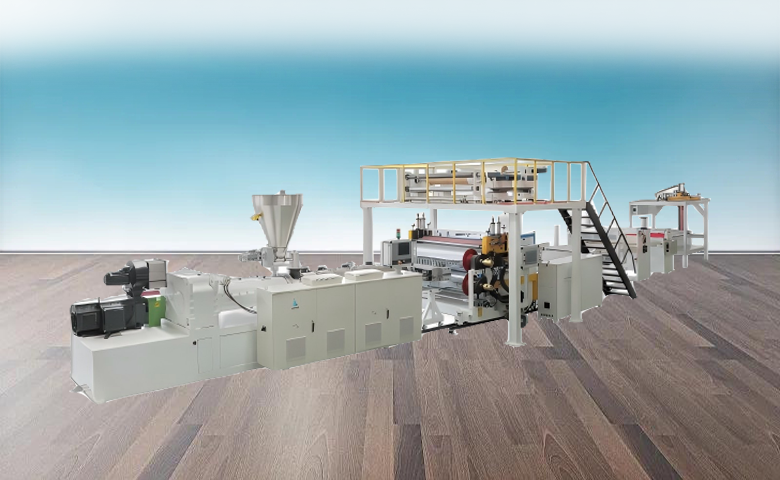
HDPE bottle washing lines integrate advanced mechanical systems to improve the efficiency of the recycling process. These systems include customized screw designs and powerful crushing units that enhance the processing of challenging materials. Customized screws allow for the handling of high-viscosity or multi-layer HDPE, ensuring a consistent melt flow during the pelletizing process. Additionally, crushing systems help break down large bottles or containers into smaller, more manageable pieces, improving the effectiveness of the washing process. The combination of these mechanical systems ensures that even difficult-to-process materials are efficiently cleaned and processed into high-quality recycled HDPE.
Chemical and hot washing techniques are essential for ensuring that recycled HDPE is free from oils, adhesives, and other chemical residues. In HDPE bottle washing lines, hot washing is typically performed with caustic soda or other chemical agents to dissolve and remove stubborn residues that cannot be removed through mechanical means alone. This process is particularly important for containers that previously held hazardous chemicals, oils, or personal care products. The use of hot washing ensures that the final recycled HDPE is safe for reuse in food-grade applications and other sensitive industries. By removing these residues, the washing process also prevents issues such as odor, discoloration, and contamination in the recycled material.
Modern HDPE bottle washing lines are equipped with automated control systems that provide precise monitoring and management of the washing process. These systems use PLC (Programmable Logic Controller) and HMI (Human-Machine Interface) technologies to control critical parameters such as wash temperatures, liquid levels, and motor performance. By continuously monitoring these factors, the systems ensure that the washing process is consistent and efficient, resulting in high-quality recycled HDPE. Real-time data from these systems also allows for easy troubleshooting and process optimization, further enhancing the reliability and performance of the washing lines.
Removing hazardous chemicals and oil residues is crucial for ensuring the safety of recycled HDPE. Specialized hot washing and chemical treatment methods effectively eliminate these residues, ensuring that the final recycled HDPE material is safe for sensitive applications, such as food packaging and pharmaceuticals.
| Parameter | Value | Unit | Application Area | Notes |
|---|---|---|---|---|
| Hot Wash Temperature | 85-95°C | °C | Removing oil and chemical residues | Too low temperature may result in incomplete cleaning |
| Chemical Removal Efficiency | >99% | % | Processing HDPE with chemical residues | Extended cleaning may damage the material |
| Solvent Used | Sodium hydroxide/alkaline solutions | - | Removing oils and adhesives | Special handling for waste solvents is required |
| Treatment Time | 10-20 minutes/batch | Minutes | Improving removal efficiency | Prolonged treatment may result in energy wastage |
| Residual Chemical Content | <0.01% | % | Ensuring HDPE safety for sensitive applications | Continuous monitoring of chemical content is essential |
Tip: Control treatment time and solvent concentration for efficient removal of harmful residues while maintaining HDPE quality.
One of the main challenges in recycling HDPE is ensuring that the material is free from volatile migrants and other toxic substances. The thorough washing process used in HDPE bottle washing lines is crucial for reducing the concentration of these substances. Advanced washing technologies, such as double washing or the use of specialized detergents, help remove even trace amounts of volatile chemicals, ensuring that the final recycled material meets safety standards for sensitive applications. This process is particularly important for products that come into direct contact with food or pharmaceuticals, where safety and purity are critical.
HDPE bottle washing lines use advanced systems to remove labels, cap fragments, and metal particles that may be present in the recycling stream. These systems typically include air classification units and metal detectors, which help identify and remove non-HDPE materials from the waste stream. Removing labels is particularly important, as adhesives can interfere with the quality of the recycled material, causing issues during the pelletizing and extrusion processes. Metal particles, on the other hand, can lead to contamination and structural weaknesses in the final product. By removing these contaminants, HDPE bottle washing lines ensure that the recycled HDPE is safe and suitable for high-value applications.
Automated control systems play a crucial role in ensuring consistent output from HDPE bottle washing lines. These systems enable real-time monitoring of key process parameters, such as wash temperatures, motor performance, and water levels. By automatically adjusting these parameters based on real-time data, the systems ensure that each batch of recycled HDPE meets the required quality standards. This consistency is essential for ensuring that the final recycled material is suitable for use in high-demand applications, where quality and reliability are paramount.
Wet crushing is an important step in the HDPE washing process, as it helps to flush away contaminants while breaking down the bottles into smaller fragments. This process not only improves the efficiency of the washing process but also protects downstream equipment from wear and tear. By using water during the crushing process, HDPE bottle washing lines prevent the buildup of contaminants on equipment, extending the life of the machinery and reducing maintenance costs. Wet crushing also helps to remove loose dirt and debris, ensuring that the recycled material is as clean as possible before entering the next stage of processing.
Sustainability is a key consideration in modern HDPE bottle washing lines, and closed-loop water treatment systems play an important role in reducing environmental impact. These systems allow water used in the washing process to be filtered and recirculated, minimizing water waste and reducing the overall environmental footprint of the recycling process. By using closed-loop systems, HDPE bottle washing lines can achieve greater efficiency while maintaining high-quality output, ensuring that the recycling process is both environmentally friendly and economically sustainable.
HDPE bottle washing lines provide significant benefits for industries that require chemical-resistant packaging, such as home care and industrial applications. Recycled HDPE can be used to produce chemical-resistant, leak-proof bottles for products like detergents, bleach, and industrial chemicals. These bottles are durable and safe for storing a wide range of chemicals, providing a cost-effective and environmentally friendly alternative to virgin plastic packaging.
In the food and beverage industry, recycled HDPE is increasingly being used for packaging. HDPE bottle washing lines ensure that the recycled material meets the strict safety and hygiene standards required for food-grade applications. By thoroughly removing contaminants, oils, and chemical residues, these washing lines help produce high-quality, safe recycled HDPE that is suitable for use in beverage bottles, milk cartons, and other food packaging products.
For personal care and pharmaceutical packaging, product safety is paramount. HDPE bottle washing lines ensure that recycled HDPE meets the highest standards of cleanliness and safety for use in packaging products like shampoos, lotions, and pharmaceutical containers. By removing contaminants and ensuring the purity of the recycled material, these washing lines help manufacturers produce packaging that is both safe and compliant with industry regulations.
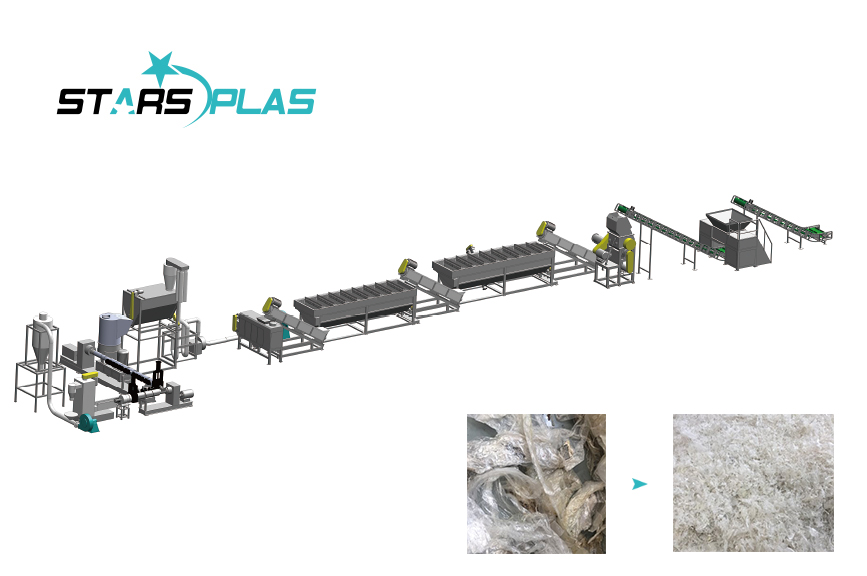
The future of HDPE recycling is marked by ongoing innovations in washing processes and technologies. New developments in washing techniques, such as advanced filtration systems and improved chemical treatments, are helping to further enhance the purity and quality of recycled HDPE. These innovations will allow for the recycling of even more challenging materials, opening up new opportunities for the use of recycled HDPE in high-value applications.
The integration of smart control systems and automation into HDPE bottle washing lines allows operators to optimize washing parameters in real-time, improving efficiency and ensuring consistent output. These advancements help track energy consumption and reduce costs, enhancing the sustainability of the recycling process.
| Parameter | Value | Unit | Application Area | Notes |
|---|---|---|---|---|
| Real-time Parameter Optimization | Yes | - | Enhancing operational efficiency | Requires advanced AI integration for optimal results |
| AI Integration | Yes | - | Automatically adjusts washing settings | AI can predict potential issues and adjust parameters accordingly |
| Remote Monitoring | Yes | - | Allows operators to monitor and control washing lines from a distance | Reduces the need for manual intervention and improves flexibility |
| Energy Consumption Tracking | Yes | kWh | Tracking energy use during operations | Helps in reducing unnecessary energy consumption and costs |
| Automated Feedback Systems | Yes | - | Provides real-time feedback for process improvements | Ensures continuous optimization and minimal downtime |
| Process Consistency | >95% | % | Ensuring stable output quality | Minimizes variability and ensures uniform results |
Sustainability will remain a key driver of innovation in HDPE bottle recycling. The future of HDPE bottle washing lines will involve the continued development of closed-loop systems, energy-efficient processes, and recyclable technologies that minimize the environmental impact of recycling. By adopting these sustainable practices, the recycling industry can help reduce plastic waste, conserve natural resources, and contribute to a circular economy.
HDPE Bottle Washing Lines are essential in improving the quality and safety of recycled HDPE. These advanced systems ensure thorough cleaning, contaminant removal, and that recycled material meets stringent safety and quality standards. By investing in such technologies, companies can create a more sustainable and efficient recycling process. Stars Union Equipment Technology (jiangsu) Co., Ltd. offers advanced solutions that significantly enhance HDPE recycling, contributing to a cleaner environment and meeting the growing demand for recycled materials. Their products provide a reliable and eco-friendly approach to handling HDPE recycling needs.
A: HDPE Bottle Washing Lines are systems designed to clean HDPE bottles by removing contaminants such as dirt, adhesives, oils, and chemical residues. These lines ensure that recycled HDPE is pure and safe for reuse in new products.
A: HDPE Bottle Washing Lines enhance product quality by using advanced techniques like high-speed friction washing, sink-float separation, and optimized drying systems. These methods ensure that recycled HDPE is free from contaminants and meets safety standards.
A: HDPE Bottle Washing Lines ensure safety by removing hazardous chemicals, oil residues, and metals. This process prevents contamination and makes the recycled HDPE safe for use in sensitive applications like food packaging.
A: HDPE Bottle Washing Lines contribute to sustainability by efficiently recycling HDPE bottles, reducing plastic waste, and minimizing the need for virgin plastic. Their advanced systems improve the purity and reusability of HDPE materials.
A: The cost of HDPE Bottle Washing Lines varies depending on factors like the size, capacity, and technology used. It's best to contact a manufacturer for a quote based on your specific recycling needs.
A: HDPE Bottle Washing Lines use a combination of mechanical, chemical, and thermal processes to effectively remove contaminants like labels, oils, and chemicals, ensuring that the recycled HDPE is clean and safe for reuse.

