Views: 0 Author: Site Editor Publish Time: 2026-01-22 Origin: Site


With plastic waste becoming a growing environmental concern, HDPE Bottle Washing Line systems offer a practical solution. As demand for packaging grows, recycling these bottles has become crucial. One efficient way to recycle HDPE is through HDPE Bottle Washing Line systems. In this article, we will explore how these lines enhance recycling efficiency and contribute to sustainability.
HDPE bottles are widely used in consumer packaging due to their durability, chemical resistance, and ease of processing. Examples include milk jugs, shampoo bottles, and cleaning product containers. However, as the global consumption of these products increases, so does the volume of waste. HDPE is non-biodegradable and takes years to decompose, making proper recycling crucial. Recycling HDPE reduces the environmental burden of plastic waste and ensures that valuable resources are reused instead of being disposed of.
Recycling HDPE is a vital part of promoting sustainability. It helps reduce plastic pollution, cuts down on landfill waste, and decreases the need for new raw materials. Additionally, recycling saves energy compared to producing new plastic products, reducing carbon emissions. By recycling HDPE, manufacturers contribute to the circular economy, where materials are reused in new products, minimizing waste and maximizing resource efficiency. The process also aligns with global sustainability goals, reducing the environmental footprint of plastic production.
HDPE bottle washing lines play a critical role in the recycling process by efficiently cleaning used HDPE bottles and transforming them into high-quality flakes. These lines remove contaminants like labels, adhesives, oils, and dirt, making the recycled material suitable for further processing into new products. By automating the washing and cleaning process, these systems reduce labor costs, improve consistency, and ensure a higher quality of recycled material. The use of HDPE bottle washing lines is key to enhancing the efficiency and scalability of HDPE recycling operations.
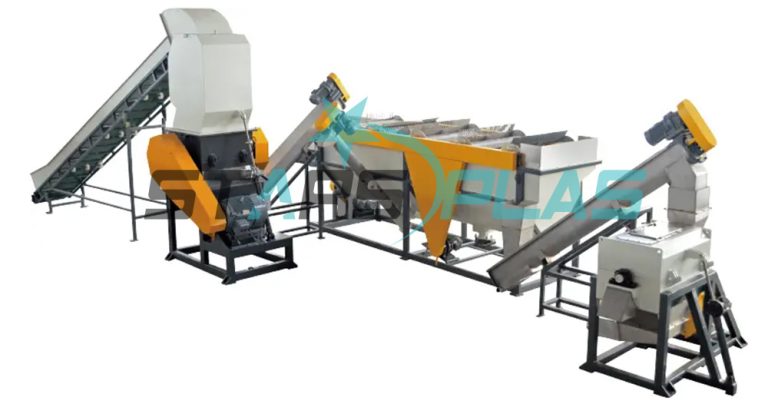
The HDPE bottle recycling washing line is a multi-step process, with each stage being crucial to ensuring effective cleaning and preparation of recycled plastic. The table below outlines the technical requirements and applications for each step.
| Process Stage | Main Function | Technical Specifications | Application | Considerations |
|---|---|---|---|---|
| Feeding & Pre-Sorting | Initial sorting of HDPE bottles and removal of impurities | Automated conveyor system, metal detectors | Sorting HDPE bottles and removing metals, paper, etc. | Ensure proper sensitivity of metal detectors |
| Crushing | Shredding bottles into smaller pieces for cleaning | Wet granulator, particle size: 20-30mm | Crushing bottles, removing dirt and labels | Avoid over-shredding the bottles |
| Friction Washing | High-speed friction washing to remove stubborn dirt and labels | High-pressure water, washing time: 3-5 minutes | Effective for cleaning adhesives and oils | Continuously monitor water pressure and temperature |
| Sink-Float Separation | Density-based separation of HDPE from heavier contaminants | Water-based separation, temperature: ambient | Removing heavier materials like PET or PVC | Regularly check liquid temperature and density ratio |
| Drying | Removing moisture to ensure low humidity content | Centrifugal dehydration, thermal drying system | Reducing moisture content to ensure quality flakes | Monitor drying temperature and time control |
Tip:Maintaining the separation system and crushers is crucial to ensuring long-term stable operation and preventing potential contamination issues.
To achieve high-quality recycled HDPE flakes, separation technologies like sink-float separation and optical sorting are employed. Sink-float separation is crucial in removing contaminants that have a different density than HDPE, such as PET or PVC. During this process, HDPE floats, while the heavier materials sink, allowing for easy removal. Optical sorters can also be used to further refine the material, sorting it by color or removing any remaining contaminants. These separation methods ensure that the final product is pure and free of unwanted substances, making it suitable for reuse in various applications.
After washing and separating the HDPE flakes, the drying process is essential to ensure that the material is ready for reuse. Dewatering machines remove excess water from the flakes, while thermal drying systems further reduce moisture content to below 1%, which is critical for the quality of the final product. The final quality control steps ensure that the flakes meet strict standards, with minimal contamination and consistent size. This step is crucial for ensuring that the recycled HDPE is of high enough quality to be used in manufacturing new products, such as bottles, packaging, or even construction materials.
Modern HDPE bottle washing lines rely heavily on automation to improve efficiency and consistency. PLC (Programmable Logic Controllers) systems manage the entire process, from feeding and sorting to washing and drying. This automation ensures that the washing process is consistent, reducing human error and minimizing labor costs. Automation also allows for the fine-tuning of the washing process, optimizing water and energy usage to enhance the system's overall efficiency. As a result, these automated systems not only save time and labor but also increase throughput and maintain consistent product quality.
HDPE bottle washing lines are designed with energy and water efficiency in mind. Many of these systems are equipped with closed-loop water systems that recycle water throughout the process, reducing water consumption and minimizing wastewater discharge. This approach not only helps conserve water but also reduces the environmental impact of the washing process. Energy-saving features, such as efficient drying systems and optimized heating processes, help lower energy consumption, making these systems more sustainable and cost-effective for businesses.
To ensure the longevity and reliability of HDPE bottle washing lines, many manufacturers use high-quality materials such as SUS304 stainless steel for the construction of key components. These materials are resistant to corrosion and wear, which is essential for maintaining the performance of the system over time. Branded components, such as those from Siemens and SKF, are also commonly used in these lines to enhance their durability and performance. These durable materials help reduce maintenance costs and extend the lifespan of the washing lines, providing long-term value for businesses investing in HDPE recycling systems.
A key goal of HDPE bottle recycling washing lines is to reduce plastic waste and promote the circular economy. The table below outlines how the recycling process reduces waste and improves resource utilization.
| Goal | Function Description | Results | Application | Considerations |
|---|---|---|---|---|
| Reducing Plastic Waste | Reduces HDPE bottles in landfills through recycling | Waste reduction rate: >90% | Reduces plastic pollution, saves disposal costs | Adjust the recycling process for optimal efficiency |
| Resource Reuse | Recycled HDPE can be repurposed into new products | Recycled rate: >95%, product quality: meets standards | Used for new bottles, pipes, plastic products | Maintain high-quality standards to avoid contamination |
| Supporting Circular Economy | Recycled HDPE enters the manufacturing cycle again, supporting resource reuse | Full lifecycle management, saves energy and resources | Provides sustainable plastic materials, promoting circular economy | Maintain purity and production efficiency at each stage |
Tip:Supporting the circular economy is not only an essential environmental measure but also provides businesses with higher resource utilization and economic benefits.
Recycling HDPE bottles through washing lines significantly reduces the carbon footprint compared to producing new plastic products. The recycling process requires less energy than creating new HDPE from petroleum-based raw materials, which helps lower CO2 emissions. Furthermore, the use of energy-efficient technologies in modern washing lines further reduces emissions, making HDPE recycling a more eco-friendly option. By investing in HDPE bottle washing lines, businesses can play a part in reducing the environmental impact of plastic production and contribute to global sustainability goals.
Recycling HDPE bottles supports global sustainability goals by reducing the environmental impact of plastic waste. The process helps companies meet their environmental, social, and governance (ESG) objectives by contributing to resource conservation, waste reduction, and carbon emissions mitigation. Many businesses are now focusing on incorporating more recycled materials into their products, and HDPE bottle washing lines are an essential tool for achieving these goals. By adopting these systems, companies can align their operations with sustainability trends and improve their environmental credentials.
Recycled HDPE flakes are used in various industries, including packaging, construction, and consumer goods. These flakes can be processed into new products such as containers, pipes, and sheets, or used in injection molding for a variety of applications. The demand for recycled HDPE is growing, driven by increasing consumer and regulatory pressure to use more sustainable materials. By investing in HDPE bottle washing lines, manufacturers can tap into this growing market and contribute to the production of eco-friendly products.
HDPE bottle washing lines play a crucial role in unlocking high-value markets, such as municipal recycling facilities, contract processors, and brand owners. By efficiently processing post-consumer plastic waste, these systems transform it into high-quality recycled materials like clean HDPE flakes. These recycled materials can then be sold to manufacturers in industries like packaging, construction, and automotive. This not only generates new revenue streams but also supports sustainable recycling practices, reducing reliance on virgin plastic and promoting circular economy initiatives. The ability to produce consistent, high-quality recycled material enhances marketability and drives demand for environmentally-friendly products.
Investing in HDPE bottle washing systems offers a strong return on investment (ROI). Not only do these systems reduce raw material costs by providing a reliable source of recycled HDPE, but they also reduce waste disposal fees. The efficiency gains from automated systems and energy-saving features help lower operational costs, further enhancing the ROI. For businesses looking to scale their recycling operations, HDPE washing lines provide a cost-effective and environmentally friendly solution.
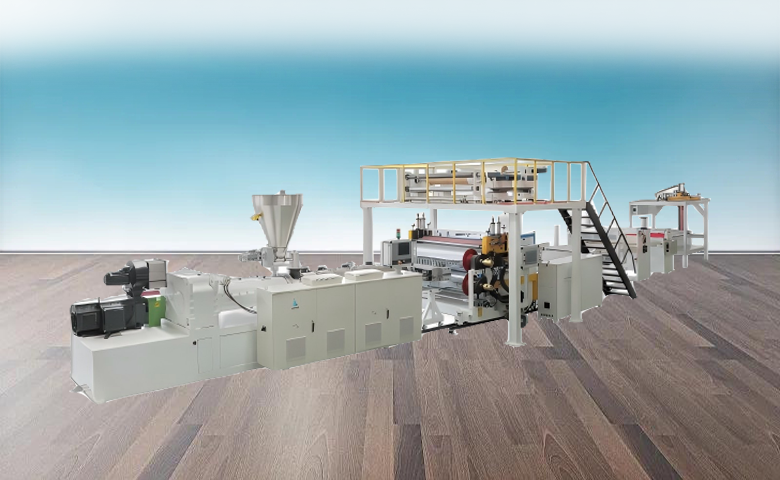
One of the core advantages of modern HDPE bottle washing lines is their customization potential. These systems can be tailored to handle different types of HDPE containers, from small bottles to large drums, with modular components allowing for easy scaling and upgrading. The following table outlines key features and specifications of customizable HDPE washing lines.
| Customization Feature | Description | Technical Specifications | Application | Considerations |
|---|---|---|---|---|
| Modular Design | Allows for flexible configuration and upgrades | Modular components, easy-to-adjust modules | Adaptable to various container sizes (bottles, drums) | Ensure proper module compatibility during upgrades |
| Input Material Handling | Capable of processing various types of HDPE containers | Supports sizes from small bottles to large drums, capacity range: 500kg/h to 3000kg/h | Suitable for mixed HDPE containers and large-volume inputs | Adjust equipment based on the container type to optimize performance |
| Washing Technology | Customizable washing techniques to suit materials | Friction washing, hot washing, ultrasonic cleaning | Ideal for handling a wide range of contaminants, including labels and oils | Select appropriate washing method based on the container's level of contamination |
| Automation Flexibility | Customizable control systems for different operations | PLC control systems, optional AI/IoT integration | Optimizes efficiency and reduces manual labor | Ensure integration with existing plant systems for seamless automation |
| Scalability | Systems can be scaled based on production needs | Scalable components for various capacities | Suitable for both small businesses and large-scale operations | Evaluate future production demands to ensure scalability options |
Tip:When customizing an HDPE washing line, it is essential to consider the types of containers you will be processing and the specific contamination levels, as these factors directly affect the choice of washing technology and system configuration.
The future of HDPE bottle recycling technology is focused on automation, energy efficiency, and sustainability. Trends such as the integration of AI and IoT for smart process control and predictive maintenance are set to revolutionize the industry. Innovations in water filtration and closed-loop systems will further reduce environmental impact, while continuous improvements in efficiency will drive down operational costs. As recycling standards evolve, HDPE bottle washing lines will continue to play a central role in achieving global sustainability targets.
HDPE bottle washing lines are vital for improving the efficiency and sustainability of recycling operations. These systems automate the cleaning and processing of HDPE bottles, helping reduce waste, conserve resources, and lower emissions. By investing in high-quality systems, businesses gain both environmental and economic benefits, achieving a strong return on investment. Stars Union Equipment Technology (Jiangsu) Co., Ltd. offers advanced HDPE washing lines that enhance recycling operations, providing businesses with reliable and sustainable solutions to meet growing market demands for eco-friendly practices.
A: An HDPE Bottle Washing Line is a system designed to clean and process used HDPE bottles, turning them into high-quality recycled material suitable for reuse in manufacturing.
A: The HDPE Bottle Washing Line works by sorting, crushing, washing, and drying HDPE bottles to remove contaminants like oils, labels, and dirt, producing clean HDPE flakes for further processing.
A: Recycling HDPE reduces plastic waste, conserves resources, and supports the circular economy by turning post-consumer plastic into reusable material, minimizing the need for new raw plastics.
A: An HDPE Bottle Washing Line reduces the environmental impact of plastic production by recycling HDPE into high-quality material, lowering carbon emissions and decreasing reliance on virgin plastic.
A: HDPE Bottle Washing Lines enhance recycling efficiency, lower labor costs through automation, improve consistency, and produce high-quality recycled material, contributing to both economic and environmental sustainability.
A: The cost of an HDPE Bottle Washing Line varies based on capacity, features, and automation level. Typically, prices range from $50,000 to $300,000, depending on the system's complexity.
A: Yes, modern HDPE Bottle Washing Lines are customizable to handle various types of HDPE containers, from small bottles to large drums, making them versatile for different recycling needs.

